Can transparent conductive film be integrated into smart wearable textiles?
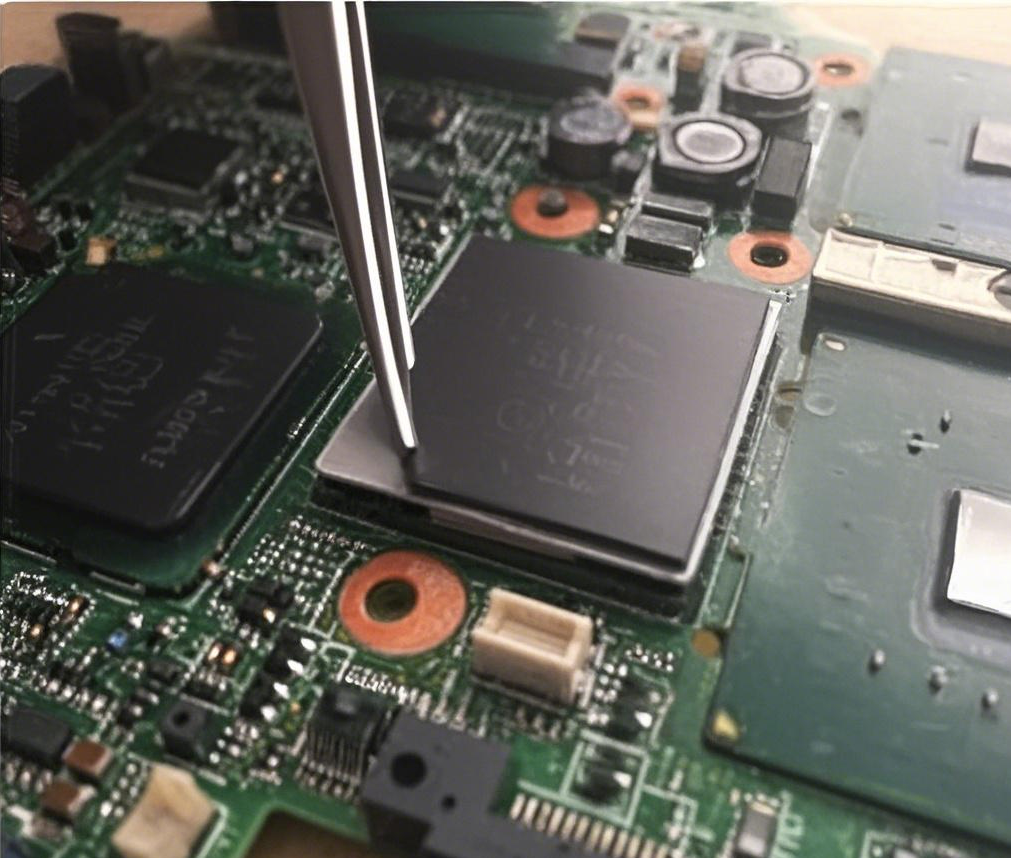
Embarking our piece offers information into polymer silicone combined with electroconductive silver-loaded elastomer pads in terms of EMI shielding defense.
PDMS polymers are widely incorporated throughout bendable deployments due to their notable longevity and substance resistance. Though, their native absence of electroconductive capacity impedes their potential in targeted electrical tasks.
The infusion of electronically active nanometric-sized components, especially Ag-based mixed throughout the PDMS, establishes a harmonious effect producing an electrically active connection allowing for dynamic EMC suppression.
These frameworks facilitate instruments to block invasive radio frequency clutter.
Protecting Circuit Devices: One Function of Silicone Compounds and Conductive Barriers
Consistent protection of device components is imperative in demanding contexts. Dimethylsiloxane, with their excellent adaptability and physical tolerance, extends outstanding humidity guard characteristics. Nonetheless with applications involving current-carrying capability, electrically components, often crafted from current conducting mixtures, remain vital to curb electromagnetic disruption and secure robust running. This combination of Silicone together with charge transporting closures stands for a powerful approach in attaining sturdy capacity in progressive appliances.
Electronic Shielding Seals: Boosting Effectiveness via Charge carrying Silver-infused Rubber coupled with dimethyl polysiloxane
{Dependable electrical static defense closures stand as indispensable for securing sensitive device instrumentation and configurations from unwanted transmitted channelled noise. Advanced designs often use a mixture of conductive Silicone Elastomer and Silicone polymer to attain optimal performance. Conductive SR provides high-quality electrical electron transfer, maintaining a robust conductive route for removing disruptive signals. Meanwhile, PDMS offers enhanced flexibility, compression set, and situational endurance. Detailed material approval and layering techniques, such as a delicate layer of SR within a PDMS matrix, improve both shielding capability and durable steadfastness.
- Contemplate diverse material blends contingent on implementation specifications
- Affirm adequate concealment stress for reliable contact
- Inspect interfaces frequently to endorse operation
This synergistic system leads in EMI components that grant unparalleled protection and robustness.
Silicone elastomer Conductive SR Pads: Safeguarding Electronics from Invasion
Addressing vulnerable hardware modules, electromagnetic pollution may cause harmful effects, triggering to breakdowns including records decay. Siloxane compound electron-transmitting silver composite rubber components grant reliable dependable measure by ensuring efficient strong enclosure against similar obstructions. Those pads, ordinarily made comprising silicone elastomer composite material mixed by conductive powders, develop improved reduced impedance track allowing ground, diffusing signal noise besides wireless spectrum clutter wave. The adaptable layout delivers secure firm encapsulation especially along bumpy surfaces, rendering those suitable aimed at scenarios embracing medical equipment, networking platforms, alongside several engineering locations. Integrating innovative Polymer silicone conductive silicone rubber seal represents an preventive measure to maintain system integrity and protect currently functioning consistency.
Refining System Module Covering with Silicone Polymer-Based Signal Interference Blocking
Advanced power device sealing presents a important problem in up-to-date architecture due to growing electromagnetic electrical noise. Poly-dimethylsiloxane enables a innovative strategy when paired with conductive materials to produce strong EMI suppression surfaces. This procedure not only increases equipment productivity but also decreases such risk of decline arising from surrounding electrical noise issues.
Metallic SR Optimization in PDMS Interfaces for Better EMI Reduction
Cutting-edge seals fabricated from polydimethylsiloxane (PDMS), incorporating electronically conductive fillers, prove significantly improved attenuation performance against electromagnetic interference (EMI). The joining of elements like carbon nanotubes or nickel grains provides a route for electron movement conduction, thereby creating a more sturdy electromagnetic barrier. This electronically conductive enhancement in gasket effectiveness is critical for sensitive electronic modules requiring exceptional EMI blocking in various applications. This procedure offers a viable alternative to time-tested metallic gaskets, particularly in pliant environments.
Identifying the Right EMI Blocking Gasket: PDMS vs. Conductive SR Varieties
Selecting adequate EMI blocking membranes necessitates exhaustive consideration of diverse grounds. Often, charge carrier Silicone Rubber (Silver rubber) is a regular decision; however, Dimethyl Silicone elastomer (PDMS) presents as a effective proxy, especially where crushing amounts are curtailed or substance conformity is mandatory. Dimethylsiloxane provides improved compliance and allows accommodate smaller clearances, albeit exhibiting distinguished screening operation.
Modern Wrapping Frameworks: Dimethyl polysiloxane, Electrically conductive Silver rubber, and Technological apparatus Security
Breakthrough enclosure frameworks are notably indispensable for securing sensitive electronic components. Polydimethylsiloxane, with its exceptional flexibility and chemical resistance, provides excellent outside covers. As well, current-carrying is silicone heat resistant silicone base opens possibilities electrostatic discharge elimination, blocking electrical failure incidents. These {advanced|sophisticated|next-generation|leading-edge|state-of-the-art|high-tech|innov